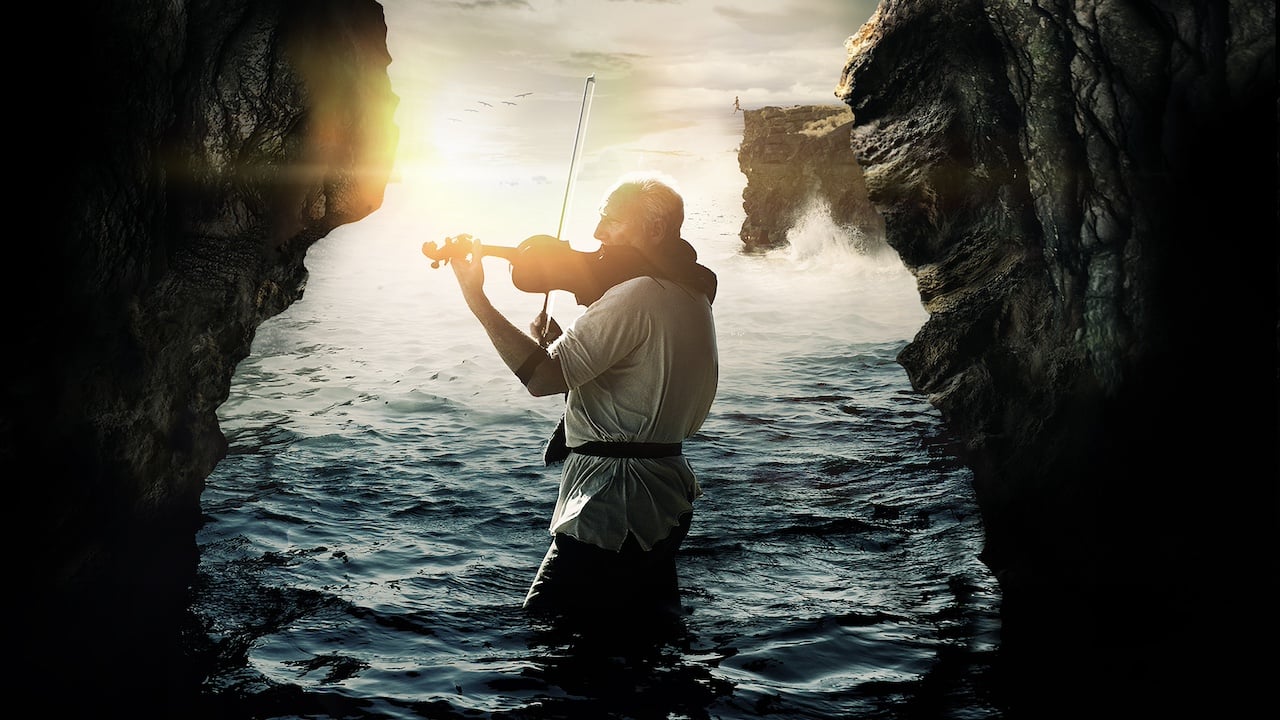
The Heart of Man is a documentary film about pain and injury that does not end with that pain, but transforms into hope from God's presence and help.
Available for viewing on Filmana here.
The term documentary film is not entirely accurate, as the author largely allows space for imagination, symbols, and along with emotive music supports authentic testimonies of people, so the entire story is, despite its documentary basis, something suggestive.
At the beginning of the whole document, we are drawn into the theme by an excerpt from Psalm 139:
Where can I go from your Spirit? Where can I flee from your presence? If I go up to the heavens, you are there; if I make my bed in the depths, you are there. If I rise on the wings of the dawn, if I settle on the far side of the sea, even there your hand will guide me, your right hand will hold me fast. If I say, "Surely the darkness will hide me and the light become night around me," even the darkness will not be dark to you; the night will shine like the day, for darkness is as light to you.
This excerpt prepares us for the content that will follow. This psalm describes a very intimate and personal prayer of a person to God. It is, to some extent, a monologue of a person trying to understand God and His actions, love, and existence, all intertwined in a kind of contrast with human distrust, insignificance, and fear, but also wonder at God's creation.
After this introduction, we move on to the testimonies of individual people representing various social standings. The testimonies are accompanied by illustrative footage that depicts human struggle. Through visual and sound effects and musical themes, we experience the story from the Gospel of John - The Parable of the Prodigal Son. This story is presented here in a more symbolic way and these emotive images underscore the stories of the people.
The entire documentary focuses primarily on the theme of sexuality. However, we are not talking about healthy sexuality, but about various injuries, pains, abuse, and negative experiences.
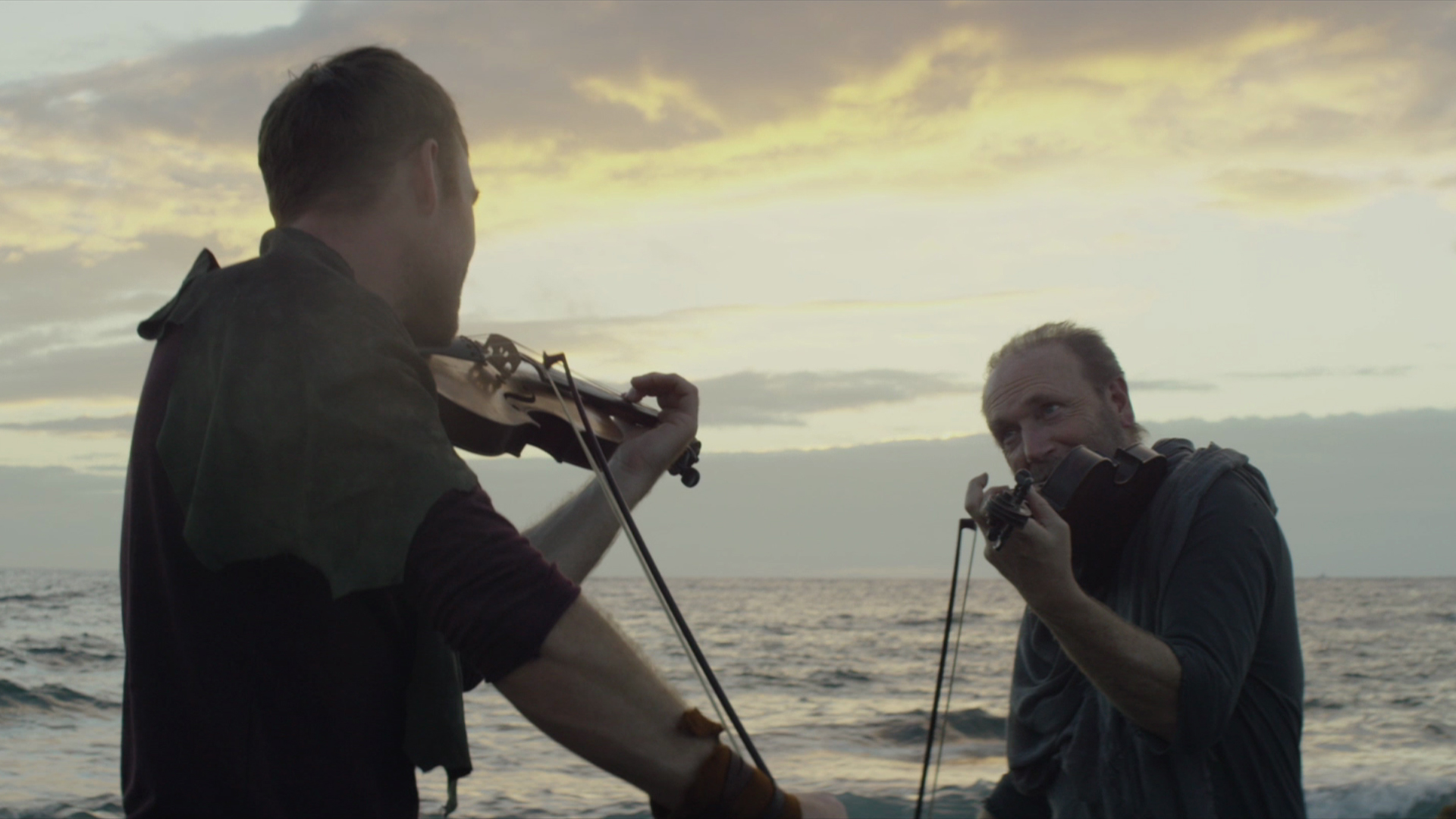
As the well-known story of the prodigal son continues, so do the testimonies build up, leading us to the depths where a person is aware of their mistakes and decisions, but often cannot do anything about it, blaming the people around them, blaming God, yet deep down they are angry with themselves, their weakness, their repeated failures.
We discover and experience with the main characters phases of guilt, shame, pain, and embarrassment.
This part can be experienced by the viewer alongside the testimonies of people, even if we might pretend that such life situations do not concern us, that we would certainly act differently, each of us has some kind of hidden chamber where we keep our injuries and falls.
Our guilt tells us how foolish we are, how imperfect we are, how we have betrayed our own convictions again. Our guilt leads us to believe that God cannot love someone like us, that we have disappointed Him too. Our guilt does not end there; on the contrary, it comes with a more powerful weapon, which is despair and anger at ourselves.
This documentary, like the Parable of the Prodigal Son, does not end with this human helplessness. It conveys an important message - what matters is our decision… each of us has the opportunity to choose.
But God does not wait for us to get out of these problems. He sent His Son because He wants to share our problems, worries, and falls - He does not hide and wait until we are holy, but lives with us here and now. He goes with us into the deepest "mire." 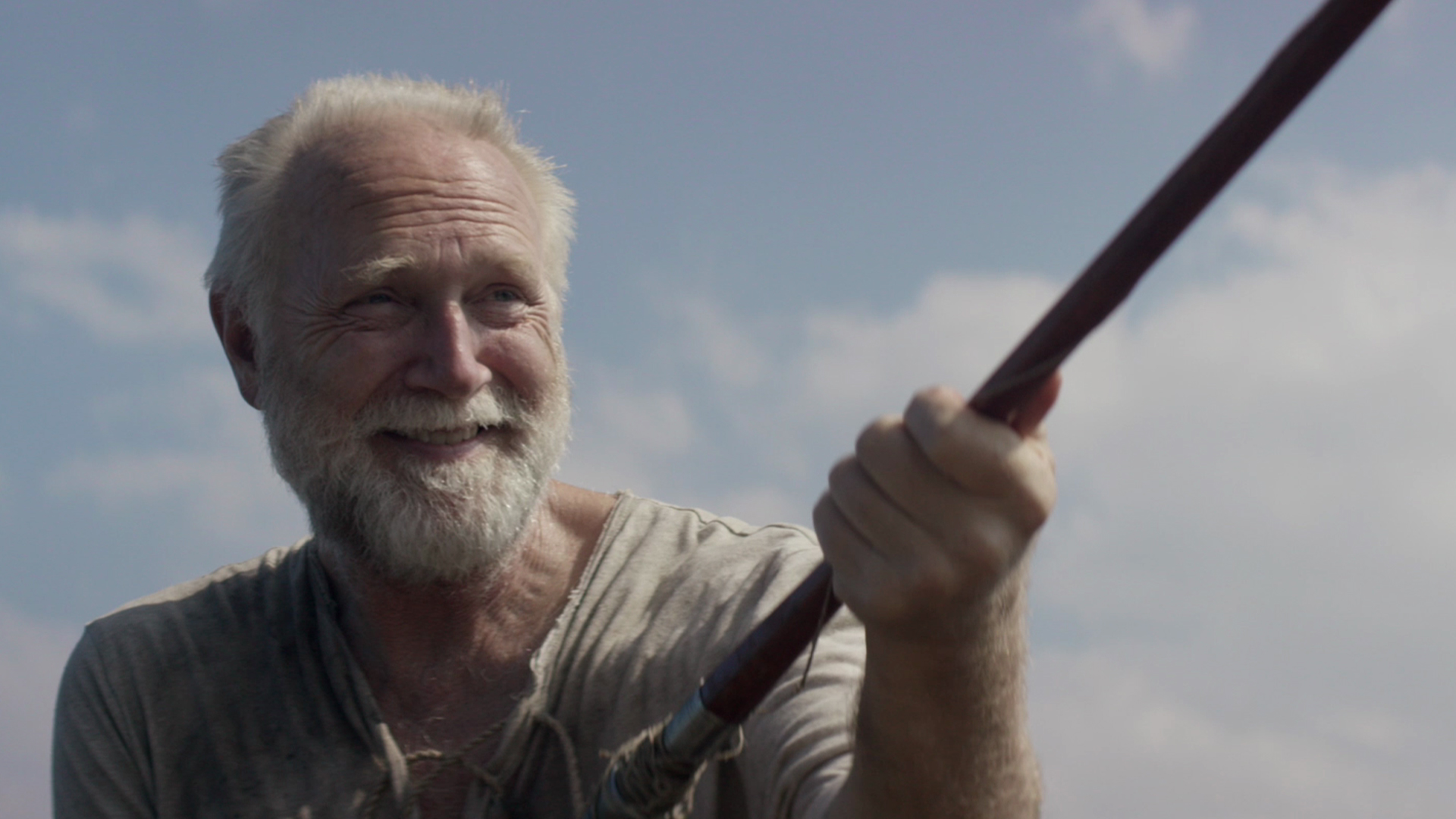
The first step is to forgive oneself - once we take this first and hardest step, we can break free from these bonds.
Even though this is a documentary film, the whole story is very dynamic, captivating, full of symbols and messages.
The Heart of Man, in its essence, is an optimistic view of the world, which should be filled with our kindness, truthfulness, and forgiveness. God came to free us so that we could live fully. Nothing is so dead that God cannot make something grow from it.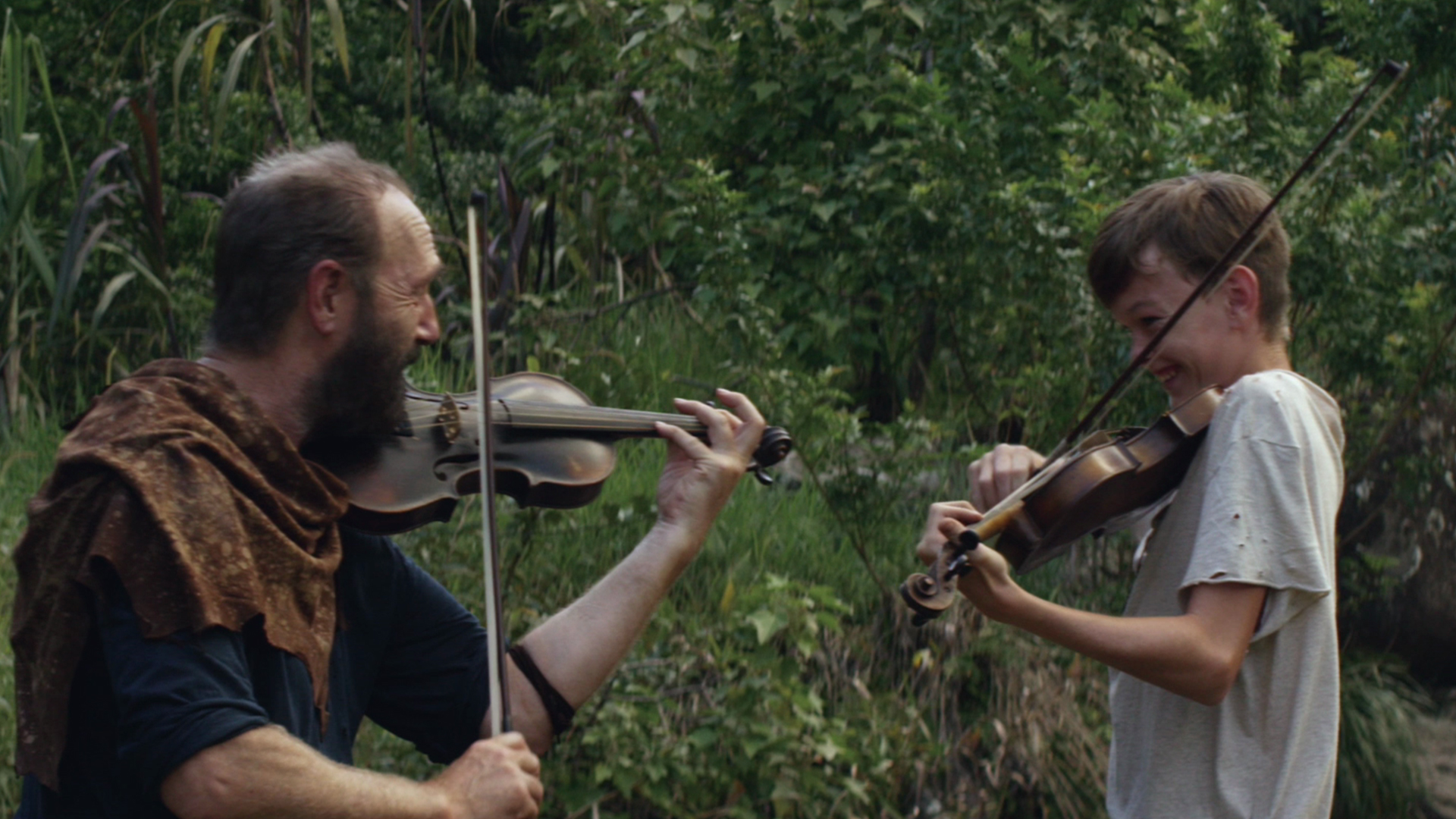
The main symbol of the entire illustrative story is the violin, which symbolizes God's presence. The voice of the violin (the voice of God) surrounds us, but we often try to drown this melody, this voice with the lures of the world, and often distance ourselves so much that the tones barely reach us.
The success of this film can greatly be attributed to Tony Anderson, who provided the musical background. He not only supports the atmosphere with musical motifs but also creates and deepens it himself. Emotive dramatic, strong, and aggressive motifs are interspersed with gentle, calming harmonies that themselves describe beauty/ugliness, hopelessness/hope, struggle, the rawness of the world, forgiveness, and a sense of safety.
Even though it was a documentary film, the viewer was drawn into the entire story, which had its momentum and logic. A film about falls and victories, about pain and forgiveness, about loss and hope. All of this is offered by this emotive film.
You can watch the film The Heart of Man on the Christian streaming platform Filmana.
Marek Poštulka